

The Benefits of Agile Development Methodology at Keene Systems

Agile development benefits include faster delivery, improved flexibility, and enhanced collaboration, all of which are central to how Keene Systems approaches custom software development. Our clients, ranging from startups needing scalable technology solutions to manufacturers requiring efficient data management, rely on agile methodology to meet evolving project demands and complex challenges with precision and discipline.
Three things to know before you go further:
- Tailored for custom software: Agile at Keene Systems is specifically adapted for custom software projects, ensuring iterative feedback loops and continuous alignment with unique business needs, rather than a generic one-size-fits-all approach.
- Focus on collaboration: Agile methodology fosters ongoing communication between developers, project managers, and clients, which is critical for projects such as ASP.NET web application development or FileMaker Pro development where requirements often evolve.
- Proven efficiency: According to the 17th Annual State of Agile Report, 71% of respondents incorporate Agile methodologies into their software development lifecycle, highlighting its effectiveness and broad adoption across industries.
Key takeaways about Agile Development Benefits
Agile development at Keene Systems accelerates project delivery, enhances adaptability, and improves client engagement, making it ideal for custom software development projects with evolving requirements and complex integrations.
Comparing Development Approaches: When Agile Makes Sense

Choosing the right software development methodology is a critical decision that impacts project success, cost, and timeline. Traditional waterfall methods follow a linear, phase-based approach where requirements are defined upfront, design and development occur sequentially, and testing happens near the end. Agile methodology, by contrast, breaks development into iterative cycles or sprints, allowing continuous feedback, adaptation, and incremental delivery.
When Agile Outperforms Other Methods
- Projects with evolving requirements: Many of our clients, such as manufacturers replacing spreadsheet-based inventory tracking with web applications, discover new needs mid-project. Agile’s flexibility allows us to incorporate these changes without derailing schedules or budgets. For instance, integrating SQL Server databases with new React front-ends can be phased incrementally, enabling early validation.
- Startups seeking scalable solutions: Startups often face uncertain markets and shifting priorities. Agile’s iterative releases enable them to test features with real users quickly and pivot based on feedback. This is especially important in mobile application development where user experience and feature sets evolve rapidly.
- Teams recovering from lost programmers: Agile’s emphasis on shared knowledge, documentation, and daily stand-ups helps maintain continuity when key personnel leave unexpectedly. This reduces project risk and accelerates onboarding of replacement developers.
- Complex integrations and digital transformation: Businesses undergoing digital transformation or needing application integration benefit from agile’s incremental approach. Each integration point can be developed, tested, and validated in isolation before full system rollout, reducing risk and improving quality.
When Waterfall or Hybrid Might Be Better
- Fixed-scope, compliance-driven projects: If requirements are stable and regulatory compliance demands extensive documentation and sign-offs, waterfall or hybrid models may provide clearer milestones and audit trails.
- Highly regulated industries: Healthcare or financial organizations may require strict validation phases and documentation that align better with waterfall or hybrid approaches, though agile can be adapted with additional controls and documentation layers.
At Keene Systems, we carefully assess project context, client preferences, and risk factors to recommend the optimal methodology. Agile is often preferred for its responsiveness and client engagement, but we never impose it where it does not fit.
How to Choose the Right Agile Fit for Your Project

Selecting the right agile framework or customizing agile methodology to your project requires a clear understanding of your business goals, team capabilities, and project complexity.
Key Decision Criteria
- Project size and complexity: Large projects with multiple teams and stakeholders benefit from structured frameworks like Scrum or SAFe, which provide roles, ceremonies, and coordination mechanisms. Smaller projects may use Kanban or lean agile practices for flexibility.
- Client involvement level: Agile thrives when clients can dedicate time for sprint reviews, backlog grooming, and planning sessions. If your team can commit to regular collaboration, agile will maximize value delivery and minimize rework.
- Development team experience: Teams familiar with agile practices can implement sprints, daily stand-ups, and retrospectives effectively. For teams new to agile, Keene Systems offers coaching and process guidance to build agile maturity and avoid common pitfalls.
- Technology stack and tooling: Agile works well with modular, component-based technologies like ASP.NET, React, and FileMaker Pro, which support continuous integration and incremental delivery.
Pro Tip: Before committing to agile, evaluate your team’s readiness and willingness to embrace iterative development. Consider starting with a pilot project or phased rollout to build confidence and refine processes.
What Happens After You Decide to Use Agile?
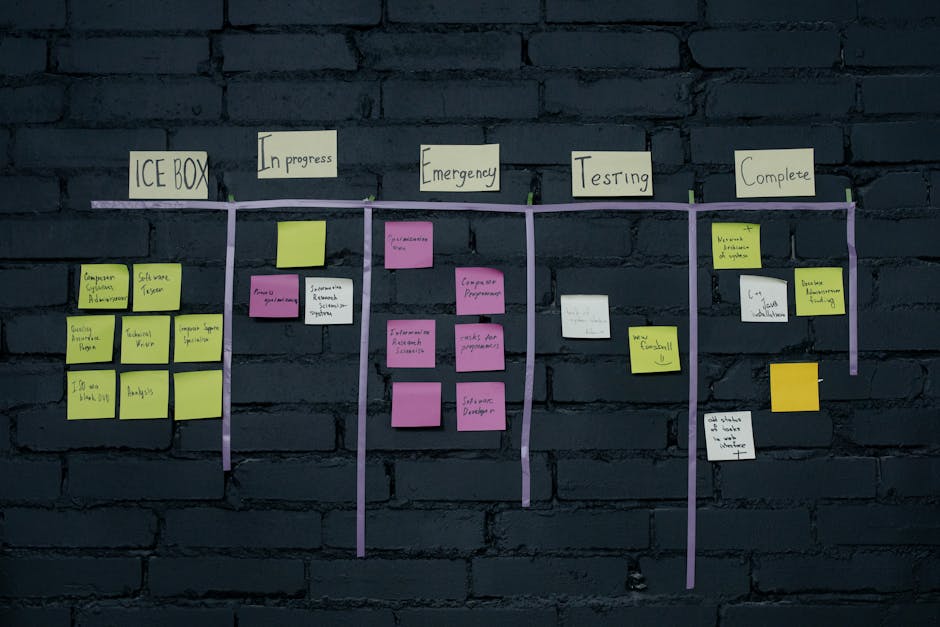
Once you decide to adopt agile methodology for your custom software development, the process unfolds in disciplined, transparent steps that ensure alignment, quality, and progress.
- Project exploration and backlog creation: We begin with detailed workshops to gather user stories, define acceptance criteria, and prioritize features. This creates a dynamic product backlog that reflects your business priorities and technical constraints.
- Sprint planning: The development team selects backlog items for the upcoming sprint, typically lasting 2-4 weeks. We estimate effort, set sprint goals, and clarify requirements to ensure focus.
- Development and daily stand-ups: Developers work collaboratively on sprint tasks, with daily meetings to track progress, identify blockers, and adjust as needed. This keeps the team aligned and responsive.
- Sprint review and client feedback: Completed features are demonstrated for your review, enabling you to test functionality and provide feedback. This iterative feedback loop ensures the product evolves in line with your expectations.
- Sprint retrospective: The team reflects on what went well and what can improve, refining processes continuously to enhance productivity, quality, and team morale.
- Ongoing maintenance and enhancements: After deployment, we provide support, bug fixes, and iterative enhancements, ensuring your software adapts to changing business needs and technology updates.
Pro Tip: Maintain active involvement during sprint reviews and backlog grooming sessions to catch issues early and steer development effectively. Regular communication reduces surprises and builds trust.
Frequently Asked Questions About Agile Development at Keene Systems
What makes agile development suitable for custom software?
Custom software projects often face changing requirements as businesses discover new needs or market conditions shift. Agile development supports this by breaking work into manageable increments, allowing frequent reassessment and adaptation. This contrasts with rigid waterfall approaches that can lock in outdated requirements, leading to costly rework and delayed delivery. Agile also encourages continuous testing and integration, improving software quality.
How does Keene Systems implement agile for legacy system modernization?
Legacy modernization projects are inherently complex and risky due to outdated technologies and tight coupling with business processes. We use agile sprints to incrementally replace or integrate legacy components, allowing continuous testing and validation. For example, a client replacing a VB.NET desktop app with a web-based ASP.NET solution benefits from seeing working modules early, reducing downtime and ensuring data integrity. This phased approach also allows for user training and gradual transition.
Can agile help if my company lost a key programmer?
Yes. Agile’s emphasis on collaboration, documentation, and shared ownership means knowledge is distributed across the team. Daily stand-ups, sprint planning, and retrospectives keep everyone informed, making it easier to onboard new developers and maintain progress despite personnel changes. Additionally, agile tools like issue trackers and version control provide transparency and continuity.
How do you handle client feedback in agile projects?
Client feedback is central to agile. We schedule sprint reviews where you can test and evaluate new features in a working environment. Your input directly influences the next sprint’s priorities, ensuring the software aligns with your evolving business needs. This iterative feedback loop reduces the risk of delivering software that doesn’t meet expectations and allows for early course corrections.
Is agile development more expensive than traditional methods?
Costs depend on project scope, complexity, and client involvement. Agile can reduce waste by focusing on high-priority features and catching issues early through continuous testing and feedback. However, it requires ongoing client engagement, which is an investment in time. Overall, agile often leads to better ROI through improved quality, faster time-to-market, and software that better fits business needs. Budgeting should account for iterative cycles rather than a single delivery milestone.
How Keene Systems Helps You Realize Agile Development Benefits
At Keene Systems, our disciplined approach to agile methodology ensures your custom software development project adapts to your unique business challenges. We leverage our expertise in technologies like ASP.NET Development, Mobile Application Development, and Business Process Automation to deliver solutions that evolve with your needs.
Our agile services include:
- Custom Software Development: Tailored agile workflows that align with your project goals and business priorities.
- Legacy System Modernation: Incremental modernization using agile sprints to reduce risk and ensure smooth transitions.
- ASP.NET Web Application Development: Agile-driven development for scalable, high-performance web applications.
- Software Project Rescue: Agile techniques to regain control of stalled or troubled projects, restoring momentum and quality.
Ready to experience the benefits of agile development tailored to your business? Contact Keene Systems today to start your custom software journey.
Conclusion
Agile development benefits companies that require flexibility, frequent feedback, and rapid delivery in their custom software projects. At Keene Systems, our agile methodology is not just a process but a strategic approach that aligns with your business needs, technology stack, and operational goals. The most important next step is to evaluate your project’s requirements and team readiness to embrace agile, then partner with a development firm like Keene Systems that has proven expertise in applying agile to complex custom software challenges.
This ensures your software investment delivers maximum value and adapts as your business evolves.
Related reading
- Understanding the Custom Software Development Process at Keene Systems
- Why Choose Keene Systems for Your Mobile Application Development Needs?