

How Keene Systems Ensures Ongoing Maintenance for Custom Software
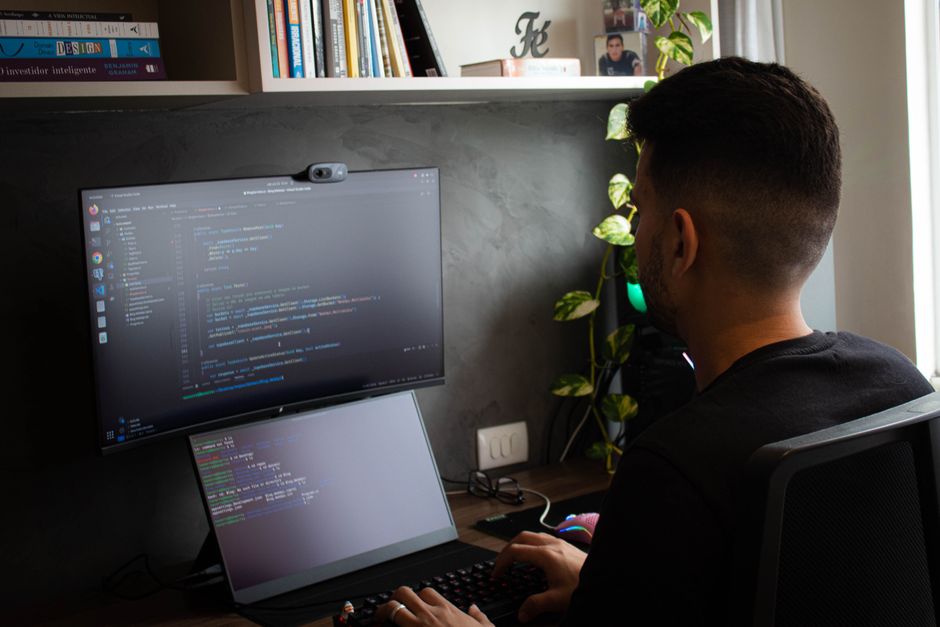
Custom software ongoing maintenance is the continuous process of updating, optimizing, and supporting tailored software solutions to ensure they remain secure, efficient, and aligned with evolving business needs. For small to medium-sized enterprises, manufacturers, startups, and companies replacing legacy systems or spreadsheets, maintaining custom applications is critical to sustaining operational efficiency and avoiding costly downtime.
At Keene Systems, we understand the unique challenges faced by businesses that rely on custom software. Whether you need ASP.NET web application development, FileMaker Pro solutions, or mobile app support, our disciplined approach ensures your software performs reliably over time.
Three things to know before you go further:
- Custom software requires specialized maintenance: Unlike off-the-shelf software, tailored applications need ongoing attention from developers familiar with the original design and business context. This is especially true for complex solutions built on ASP.NET or FileMaker Pro where intimate knowledge of the codebase is essential.
- Maintenance impacts total cost of ownership: According to ISBSG Maintenance and Support Data, software maintenance activities represent between 65 and 85 percent of an application’s total ownership cost, making efficient maintenance a critical factor in budgeting.
- Proactive maintenance prevents costly failures: Regular updates, monitoring, and issue resolution reduce risks of downtime and security vulnerabilities that can disrupt manufacturing data flows or startup operations.
Key takeaways about custom software ongoing maintenance
Maintaining custom software is a strategic investment that requires expert attention to ensure long-term value, security, and adaptability to business changes.
Preparing for effective custom software maintenance

Before initiating ongoing maintenance, it’s crucial to prepare and verify several key elements to ensure smooth, efficient support.
Assess your current software environment
Begin by creating a comprehensive inventory of your software components, including frameworks, languages, databases, and third-party integrations. For example, many clients rely on ASP.NET web applications backed by SQL Server databases or FileMaker Pro solutions tailored to their workflows. Understanding this landscape helps identify dependencies and potential upgrade paths.
Identify business-critical functions and pain points
Map out which software features are essential for daily operations and where users encounter frequent issues. Manufacturers often need real-time data management and reporting, while startups may prioritize scalability and mobile responsiveness. This prioritization guides maintenance focus.
Secure access and documentation
Ensure your maintenance team has secure access to source code repositories, development and staging environments, and up-to-date technical documentation. This is especially important for companies that lost their original programmers or are transitioning from legacy desktop applications to modern web-based solutions.
Define maintenance goals and priorities
Clarify whether your immediate needs involve bug fixes, security hardening, performance improvements, or new feature development. Setting clear objectives allows your maintenance provider to allocate resources effectively.
Plan for monitoring and reporting
Establish key performance indicators (KPIs) and implement monitoring tools to track application uptime, error rates, and user engagement. This data-driven approach enables proactive issue detection and continuous improvement.
Pro Tip: When preparing for maintenance, involve both IT and business stakeholders to ensure technical updates align with operational priorities and compliance requirements.
The step-by-step playbook for custom software ongoing maintenance

Maintaining custom software is a structured process that requires discipline and expertise. Here’s how Keene Systems approaches it:
- Initial system audit: We conduct a thorough review of your software’s current state, including code quality, architecture, security posture, and performance bottlenecks. This audit often uncovers hidden technical debt or outdated libraries that could pose risks.
- Prioritize issues and enhancements: Based on the audit and your business goals, we create a prioritized maintenance backlog covering bug fixes, security patches, performance tuning, and feature requests. This backlog is regularly reviewed and adjusted.
- Implement monitoring tools: We deploy application performance monitoring (APM) and error tracking tools tailored to your technology stack, such as SQL Server monitoring or React performance analytics, enabling early detection of issues before they impact users.
- Scheduled updates and patches: Regularly applying updates ensures your software stays compatible with underlying platforms like SQL Server, .NET frameworks, or cloud services such as Azure and AWS. This includes patching security vulnerabilities promptly.
- Performance optimization: We analyze usage data to fine-tune database queries, optimize UI responsiveness, and manage server resources efficiently, which is critical for manufacturers handling large datasets or startups scaling user bases.
- Security management: Our team applies security patches promptly, conducts vulnerability assessments, and ensures compliance with industry standards to protect your software from emerging threats.
- User support and training: We provide ongoing assistance to end-users, update user manuals, and conduct training sessions to help your team adapt to software changes and new features.
- Feedback loop and continuous improvement: Regular check-ins with your team help us adapt the maintenance plan as your business evolves, ensuring your software remains aligned with operational needs.
Pro Tip: Establish a Service Level Agreement (SLA) with clear response times, update schedules, and escalation procedures to set expectations and ensure accountability throughout the maintenance lifecycle.
Recognizing success and knowing when to call in experts

Effective custom software maintenance shows measurable improvements in stability, performance, and user satisfaction. Here are signs your maintenance is working:
- Reduced downtime and fewer bugs: Your software runs smoothly with minimal interruptions, supporting continuous manufacturing operations or startup workflows.
- Timely updates and security patches: Your system stays current with technology and security standards, reducing vulnerability to cyber threats.
- Positive user feedback: End-users report improved usability, faster response times, and fewer issues, which boosts productivity.
- Adaptability to business changes: Your software evolves to support new processes, integrations, or regulatory requirements.
However, some situations require professional intervention:
- Complex legacy systems: When outdated desktop applications need modernization to web or mobile platforms, expert guidance ensures a smooth transition.
- Lost development resources: If your original programmers are unavailable, expert developers familiar with your tech stack are essential to maintain continuity.
- Security breaches or compliance risks: Immediate expert response is critical to mitigate damage and restore trust.
- Performance bottlenecks: When your software struggles to handle growing data volumes or user loads, specialized tuning is necessary.
Pro Tip: Regularly review maintenance outcomes with your provider using dashboards and reports to ensure alignment and identify emerging needs early.
Frequently asked questions about custom software ongoing maintenance
What does custom software ongoing maintenance typically include?
Custom software ongoing maintenance encompasses a range of activities such as fixing bugs that arise from real-world use, updating software components to remain compatible with new operating systems or platforms, optimizing performance to handle increased user loads, applying security patches to protect against vulnerabilities, and sometimes adding new features to meet evolving business requirements. For example, a manufacturer might need updates to their data management workflows, while a startup could require mobile app enhancements.
How often should custom software be maintained?
The frequency of maintenance depends on the complexity of your software and how critical it is to your operations. Mission-critical systems often require continuous monitoring and monthly updates to address security and performance issues promptly. Less complex applications might be maintained quarterly or biannually. Additionally, regulatory changes or business process updates can trigger unscheduled maintenance. Establishing a maintenance schedule aligned with your operational needs and risk tolerance is essential.
Can Keene Systems take over maintenance for software developed by another company?
Yes, Keene Systems specializes in software project rescue and can take over maintenance for applications developed by other vendors. Our process includes conducting a comprehensive code audit, documenting the existing system, and establishing a maintenance plan tailored to your business. This is particularly valuable for companies that have lost their original developers or inherited legacy systems needing modernization. Our expertise spans ASP.NET, FileMaker Pro, PHP, and more.
What technologies does Keene Systems support for ongoing maintenance?
We support a broad range of technologies commonly used in custom software development, including ASP.NET Development, SQL Server Database Design, FileMaker Pro Development, PHP Development, React Development, Mobile Application Development (including Flutter and .NET MAUI), and cloud platforms such as Azure and AWS. This diverse expertise allows us to maintain and enhance complex, multi-technology solutions effectively.
How does ongoing maintenance improve software security?
Ongoing maintenance improves software security by ensuring that your applications receive timely security patches, updates to third-party libraries, and vulnerability assessments. Regular monitoring helps detect suspicious activity or potential breaches early. Additionally, maintenance includes updating authentication mechanisms, encrypting sensitive data, and ensuring compliance with industry standards such as HIPAA or GDPR when applicable. This proactive approach reduces the risk of costly security incidents.
How Keene Systems supports your custom software ongoing maintenance
At Keene Systems, we provide comprehensive ongoing maintenance services tailored to your custom software’s unique architecture and business requirements. Our veteran-owned team applies military-grade discipline to ensure your applications remain secure, efficient, and scalable.
We offer:
- ASP.NET Development and Web Application Development to maintain and enhance your web platforms.
- SQL Server Database Design for optimized data management and performance tuning.
- FileMaker Pro Development and support for specialized database solutions.
- Mobile Application Development including Flutter and .NET MAUI to keep your apps current.
- Cloud Computing with Azure and AWS to manage hosting, backups, and scalability.
- Legacy System Modernation to transition outdated desktop applications to modern web or mobile environments.
- Software Project Rescue to take over and stabilize projects with lost or unavailable developers.
Ready to keep your custom software running at peak performance? Contact our team today to discuss your ongoing maintenance needs.
Conclusion: Taking the next step in custom software ongoing maintenance
Custom software ongoing maintenance is essential for protecting your investment and ensuring your applications continue to support your business effectively. By preparing thoroughly, following a disciplined maintenance process, and knowing when to engage experts, you can avoid costly downtime, security risks, and operational disruptions.
Partnering with a provider like Keene Systems, experienced in ASP.NET Development, FileMaker Pro, and comprehensive software support, ensures your custom solutions evolve with your business. The most important next step is to evaluate your current maintenance strategy and reach out to a trusted team that understands your software’s unique demands.
Start securing your software’s future today with expert ongoing maintenance tailored to your needs.
Explore our Custom Software Development services to learn more about how we can support your business.
Related reading
- Understanding the Custom Software Development Process at Keene Systems
- Why Choose Keene Systems for Your Mobile Application Development Needs?