

Why Keene Systems Is the Best Choice for Custom Software Development in Healthcare

Custom software development for healthcare builds applications around an organization’s actual clinical, administrative, and data workflows rather than forcing teams to work around a generic product. Keene Systems is a custom software development partner for organizations that need tailored applications, modernized systems, or more reliable ways to manage operational information.
Healthcare organizations may be coordinating data across departments, replacing a desktop tool, or trying to scale a workflow that now depends on spreadsheets. The right approach depends on the systems already in place, the people who use them, and the level of change the organization can support.
Three things to know before you go further:
- Start with the workflow: Map how information moves today, including exceptions and handoffs, before specifying screens or features.
- Plan for existing systems: A new application may need to exchange information with current databases or software, so integration requirements should be established early.
- Treat security and compliance as design inputs: Identify applicable obligations with qualified privacy, security, and compliance professionals before development decisions are finalized.
Key takeaways
The strongest healthcare application choice is the one that fits the organization’s workflow, integration needs, risk controls, and capacity to maintain it.
Healthcare software options and when they make sense

Configure, extend, or build
Healthcare organizations generally weigh three paths: configure an existing product, extend software they already use, or develop an application specifically for their operation. The best fit is not automatically the newest technology or the option with the longest feature list. It is the option that can support required workflows while remaining understandable and maintainable.
A configurable product may be appropriate when the organization’s process closely matches the product’s built-in capabilities. It can also make sense when a standard function is needed and customization would add unnecessary complexity. The tradeoff appears when teams depend on repeated workarounds, duplicate data entry, or manual exports to keep the product aligned with actual operations.
Extending an existing platform can be a practical middle ground. For example, a healthcare organization with an established database may need a web interface for staff who currently depend on a desktop application. A manufacturer serving healthcare providers might need improved tracking of orders, inventory, or service activity. In either case, the existing system’s condition and integration options matter as much as the requested features.
Custom software is worth evaluating when a process is distinctive, several tools fail to exchange needed information, or a critical workflow relies on spreadsheets and manual checks. A tailored application can bring those activities into a consistent system, but it also creates responsibility for design decisions, testing, hosting, maintenance, and future changes. Custom development is not a shortcut around requirements work.
According to Grand View Research’s healthcare custom software development market statistics, the global healthcare custom software development market size was valued at US$ 4,773.0 million in 2025 and is estimated to grow at a compound annual growth rate (CAGR) of 20.8% from 2025 to 2033. That market estimate indicates growing investment, but it does not establish that a custom build is the right choice for every organization.
Match the option to the pain point
- A product fits with small adjustments: Configure it and document the limits before adding custom features.
- A legacy application remains useful: Assess whether it can be extended, integrated, or gradually replaced through legacy system modernization.
- A spreadsheet is becoming operational infrastructure: Define a shared workflow application with appropriate user roles, validation, and audit needs.
- A desktop tool limits access: Assess a web application conversion, including browser usage, identity, and database dependencies.
For an overview of the practical reasons organizations pursue tailored applications, see Keene Systems’ guide to custom software development. Its relevance depends on the workflow being addressed, not simply the size of the technology budget.
Choosing custom software development healthcare teams can sustain

Use decision criteria before selecting a vendor
A useful selection process begins with the work to be improved. Describe who performs each task, which information they need, where that information originates, and what happens when the usual path fails. In healthcare operations, exceptions can be routine: a record may be incomplete, a task may require review, or information may arrive from a system the application does not control.
Next, document what the new software must do and what it must not do. Separate essential capabilities from preferences. A request such as “replace our spreadsheet” needs more detail: who can create or edit records, which fields require validation, how approvals work, and what people need to see when a task is delayed. These decisions become testable requirements rather than assumptions hidden in a proposal.
Evaluate providers on how they handle architecture, integration, data migration, testing, and support. Ask who will own the source code and technical documentation, how requirements changes affect scope, and what happens if a project pauses. If your organization has lost its programmer, also ask how the team will inspect undocumented code, identify deployment dependencies, and regain access to development environments before promising a delivery plan.
Healthcare applications can involve sensitive information, so discuss data classification, access controls, retention, hosting, and incident procedures with the appropriate internal leaders and qualified advisers. Do not assume that a development vendor’s general experience establishes that a particular design or implementation satisfies your legal or regulatory obligations. Confirm the requirements for your use case with qualified privacy, security, and compliance professionals.
According to the Office of the National Coordinator for Health Information Technology, adoption of predictive AI in U.S. hospitals increased from 66% in 2023 to 71% in 2024. If a proposed application involves predictive features, ask how data quality, human review, and governance will be addressed; adoption figures alone do not establish the suitability of a feature for a particular workflow.
Pro Tip: Ask a prospective development team to walk through one real workflow from intake to completion, including a failed or unusual case. How they identify missing decisions is often more useful than a polished feature list.
Check technical fit and delivery ownership
The technology should support the application’s expected users, integrations, and future maintenance. Keene Systems works with ASP.NET, SQL Server, FileMaker, React, Java, and PHP/MySQL, among other listed technologies. That range does not mean every project should use one of these stacks; the existing environment and team’s ability to support the result should shape the choice.
A strong proposal explains what is known, what needs discovery, and which assumptions could change cost or timing. It should identify the first deliverable that proves a key technical or workflow assumption, such as a data import test or a working integration. If you are comparing ASP.NET web application development, ask how the application will connect to its database and how performance, security, and deployment will be tested.
Do not treat a fixed feature estimate as meaningful if requirements, data quality, or integration access remain unclear. A qualified partner should be willing to explain uncertainty and propose a discovery step rather than hide it inside a confident-sounding schedule.
What the healthcare software development process looks like
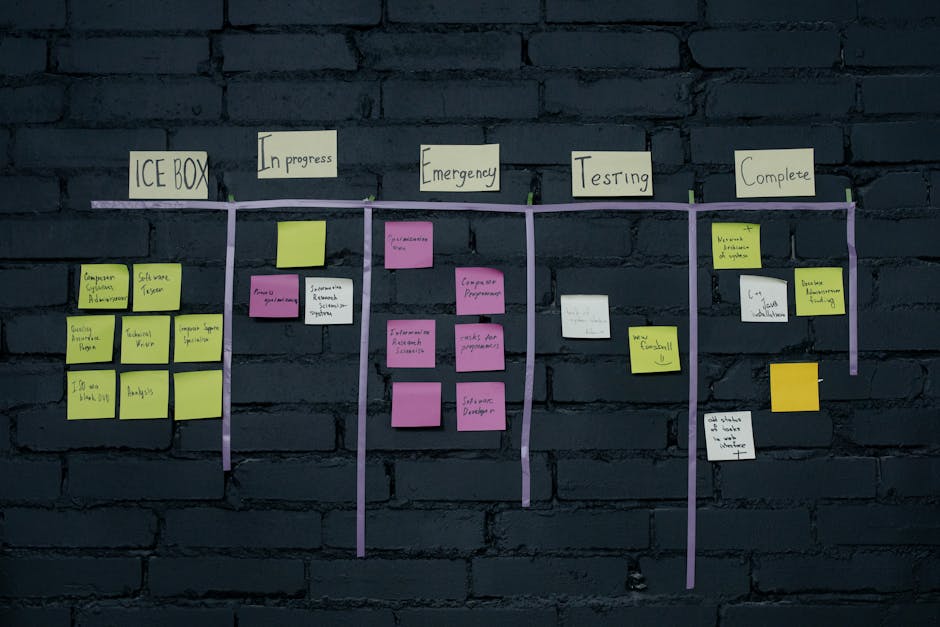
From discovery through ongoing support
A disciplined process makes the decisions and dependencies visible. The exact sequence varies by project, but these steps help healthcare organizations understand what should happen before a new application becomes operational.
- Explore the operation: Document users, tasks, handoffs, current applications, spreadsheets, and known bottlenecks. Separate the desired business outcome from the first solution idea.
- Define requirements and boundaries: Specify user roles, data inputs, outputs, exceptions, and acceptance criteria. Identify applicable privacy, security, and compliance requirements with qualified professionals.
- Assess architecture and integration: Review existing databases, APIs, file exchanges, hosting constraints, and identity needs. Decide what should remain in place and what the new application will own.
- Design the application: Shape the user interface around actual tasks, then define the data model and technical structure. A clear software development process gives stakeholders a way to review assumptions before they become expensive changes.
- Build in reviewable increments: Develop the prioritized capabilities, demonstrate working software, and gather feedback from representative users. Keep changes to scope visible so teams can make informed tradeoffs.
- Test workflows and data: Test expected paths and exceptions, permissions, calculations, integrations, and migration results. Resolve defects and verify acceptance criteria before planning a production transition.
- Deploy and maintain: Prepare users, operational documentation, monitoring, and a support path. Plan maintenance and future enhancements so the application does not become another unsupported tool.
According to Apollo Research Reports’ U.S. healthcare software as a service market report, the U.S. Healthcare Software As A Service market was valued at $4,175.8 Million in 2022, and is projected to reach $15,568.0 Million by 2032 growing at a CAGR of 14.12% from 2023 to 2032. For a custom application, hosting choices still need to be evaluated against the organization’s technical, operational, and compliance requirements.
Pro Tip: Before replacing a spreadsheet or desktop system, select representative records and define how they will be mapped, checked, and reconciled. Data migration problems are easier to address when the team can see them before cutover.
Keep project risks visible
Common development risks include incomplete requirements, unavailable subject-matter experts, poor data quality, and integrations that are more constrained than expected. A project plan should name these dependencies and assign owners. For a small or midsize organization, that clarity helps avoid discovering late that a single employee holds essential process knowledge or database access.
Testing should reflect the actual job, not just whether a screen loads. Have intended users validate the steps they perform, including permissions and less common exceptions. Where existing applications must remain active during transition, define how records will stay consistent and when each system becomes authoritative.
FAQ
Why choose custom software development for a healthcare organization?
Custom software can be a fit when standard applications cannot support a distinctive workflow, when teams rely on manual workarounds, or when information is split among tools that do not exchange what staff need. A tailored application can be designed around those requirements. It also requires ownership of its ongoing maintenance, testing, hosting, and future changes, so compare that responsibility with configuring or extending existing software before committing.
Can a custom healthcare application connect to existing systems?
It may be possible, but feasibility depends on the systems’ interfaces, data formats, access rights, documentation, and vendor constraints. A development team should inspect those dependencies during discovery, not assume an integration is available because a system stores the needed information. Clarify which application owns each record, how errors are handled, and how the connection will be tested before approving the architecture.
How long does custom healthcare software development take?
There is no responsible universal timeline. Scope, integration complexity, data condition, stakeholder availability, testing needs, and required review all affect delivery. A provider should separate discovery from implementation planning, explain assumptions, and identify milestones that can be reviewed. If requirements are still changing or access to systems is pending, the schedule should reflect that uncertainty rather than present an unsupported fixed date.
How should we evaluate security and compliance for a custom application?
Start by identifying the information the application will handle, who needs access, and how the information must be stored, transmitted, retained, and reviewed. Then involve qualified privacy, security, and compliance professionals to establish requirements for the specific organization and use case. Ask the development team how those requirements will translate into architecture, access controls, testing, deployment, and maintenance. Do not rely on a general software claim as proof of compliance.
How Keene Systems helps healthcare organizations build custom software
Keene Systems is a veteran-owned custom software company founded in 1987, with a team of 50+ web and mobile developers. We work with organizations to explore operational needs, design and develop tailored applications, and provide ongoing maintenance. For healthcare work, the specific scope should be shaped by the organization’s workflows, existing technology, and requirements established with its qualified advisers.
Relevant capabilities include:
- Custom web applications: Build browser-based tools for defined business workflows.
- Database design and application integration: Structure data and connect applications where the technical environment allows.
- Legacy modernization: Assess older desktop applications and plan a path toward a maintainable web application.
- Mobile application development: Develop mobile applications when users need a workflow away from a desktop.
- ASP.NET, SQL Server, FileMaker, React, and PHP/MySQL development: Select technologies in context rather than treating a stack as a one-size-fits-all answer.
For a relevant example of the type of operational challenge this work can address, read the healthcare client efficiency case study. You can also review how custom software supports healthcare data management.
Ready to discuss a healthcare workflow that off-the-shelf software does not handle well? Talk with our team about custom software development.
Conclusion: choose custom software development healthcare teams can own
The most important next step is to document one high-value workflow before choosing a product or development partner. Include the users, data involved, handoffs, exceptions, existing systems, and the outcome you need to improve. That brief will help you compare configuration, extension, and custom development on practical terms.
Custom software development healthcare organizations can sustain depends on more than building features. It requires clear requirements, realistic integration planning, meaningful testing, and an ownership plan for maintenance. Keene Systems offers custom software, web and mobile development, database design, and legacy modernization for organizations evaluating that path. If a tailored application appears appropriate, start a conversation with Keene Systems about the workflow and constraints you need to address.
Sources
This article is general information, not a substitute for advice from a qualified professional. Consult a qualified professional about your own circumstances before acting on anything here.