

The Future of Custom Software Development: Trends to Watch

The future trends custom software development are transforming how businesses design and implement tailored applications that address their unique operational challenges, improve efficiency, and enable scalable growth. Custom software development is the process of creating software solutions specifically crafted to meet an organization’s precise needs, rather than relying on generic off-the-shelf products.
Organizations such as small to medium-sized enterprises needing custom applications, manufacturers requiring efficient data management, startups seeking scalable technology platforms, and companies aiming to replace outdated desktop applications or spreadsheets with modern web and mobile solutions all face distinct challenges. Understanding the evolving trends in custom software development empowers these businesses to make informed technology investments aligned with their strategic goals.
Three things to know before you go further:
- Custom solutions drive competitive advantage: Tailored software directly supports unique business processes and integration needs that off-the-shelf software cannot address effectively.
- Cloud and integration technologies are foundational: Cloud-based development environments and seamless integration with existing systems are now essential for successful software projects.
- Ongoing adaptability and disciplined maintenance are vital: Custom software must evolve alongside business changes, requiring structured development and support practices.
Key takeaways
This article highlights the key future trends in custom software development, emphasizing their practical impact on businesses and how Keene Systems aligns its services to meet these evolving demands.
What custom software development means today and how it works in practice

Custom software development involves creating applications uniquely tailored to an organization’s specific operational needs, workflows, and integration requirements. Unlike off-the-shelf software, which offers generic features, custom solutions are designed to fit precisely within a company’s processes, enabling greater efficiency, accuracy, and scalability.
In practice, the development lifecycle begins with a thorough project exploration phase. This involves collaborative workshops between business analysts, developers, and stakeholders to capture detailed requirements, identify pain points, and define clear objectives. For example, a manufacturing company might seek to replace multiple disconnected spreadsheets with a centralized, automated data management system that integrates with production equipment and supply chain software.
Following requirements gathering, software architecture is designed to establish the technical foundation and select the appropriate technology stack. Common choices include ASP.NET for building robust, scalable web applications; SQL Server for secure and performant database management; React for dynamic, responsive user interfaces; and cloud platforms such as Azure and AWS to provide scalable infrastructure and services.
Development typically follows agile methodologies, allowing iterative progress with continuous feedback loops. This approach enables early identification of issues and adaptation to changing requirements. Testing phases ensure the software meets functional, security, and performance standards before deployment.
After deployment, ongoing maintenance and support are critical to address bugs, security patches, and evolving business needs. This lifecycle approach ensures the software remains aligned with organizational goals over time.
Key future trends shaping this process include:
- Cloud-native development: Building applications optimized for cloud environments enhances scalability and resilience. For instance, a logistics company might deploy a cloud-based fleet management system that dynamically scales during peak periods and integrates GPS data in real time.
- Mobile-first design: With increasing mobile device usage, custom applications must deliver seamless experiences across smartphones and tablets. Startups often develop mobile apps using Flutter or .NET MAUI to ensure cross-platform compatibility and rapid deployment.
- Integration-centric solutions: Businesses demand software that connects effortlessly with existing ERP, CRM, and other enterprise systems to maintain data consistency and streamline workflows.
- Automation and AI integration: Embedding workflow automation and AI-driven analytics reduces manual effort and provides actionable insights. For example, automating invoice processing or using AI to predict maintenance needs in manufacturing.
- Legacy modernization: Companies are increasingly replacing outdated desktop applications with modern web-based solutions to improve accessibility and maintainability.
Pro Tip: Design your software with modular, service-oriented architecture to facilitate future enhancements and integration with emerging technologies without extensive rewrites.
What influences the cost, timeline, and quality of custom software projects
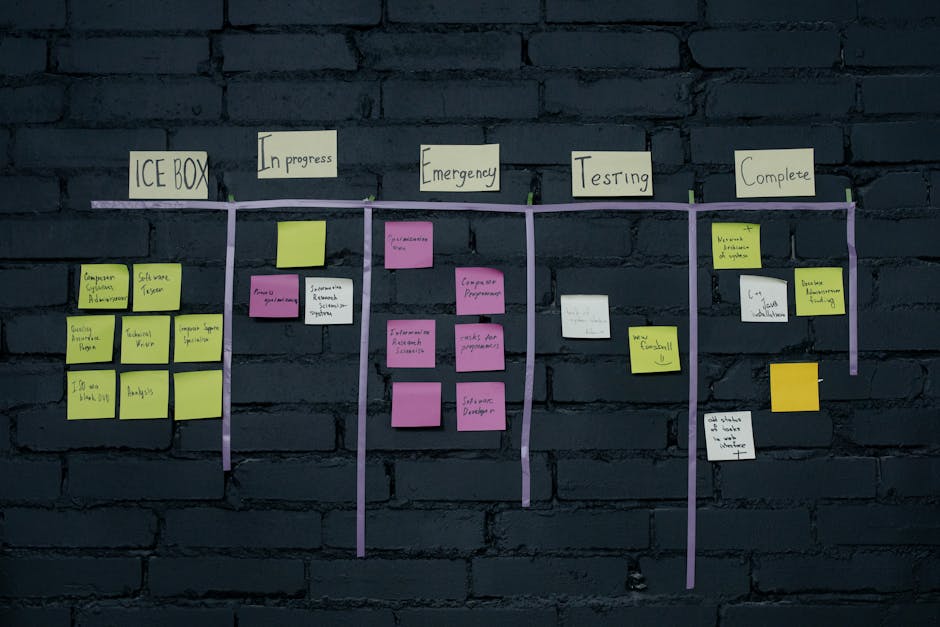
Several factors directly affect the duration, expense, and success of custom software development projects. Understanding these variables helps businesses plan realistically and avoid common pitfalls.
- Project scope and complexity: The more complex the functionality and integrations, the longer and costlier the project. For example, a manufacturer’s custom data management system integrating with IoT devices and ERP software is inherently more complex than a standalone mobile app.
- Technology stack: Selecting mature, widely supported technologies such as ASP.NET and SQL Server reduces development risks and improves maintainability. Conversely, adopting newer or niche frameworks may increase costs due to limited developer availability.
- Development team expertise: Experienced developers familiar with your industry and chosen technologies accelerate delivery and reduce errors. A team skilled in FileMaker Pro development or PHP/MySQL can efficiently deliver specialized solutions.
- Requirement clarity and stability: Well-defined, stable requirements minimize rework and scope creep. Frequent changes or vague goals extend timelines and inflate budgets.
- Maintenance and support: Custom software requires ongoing updates for bug fixes, security patches, and adapting to business changes. Budgeting for long-term support is essential.
- Legacy system challenges: Modernizing legacy desktop applications or rescuing stalled projects often involves additional analysis and refactoring, impacting schedules.
Pro Tip: Engage a development partner experienced in software project rescue and legacy modernization to navigate complexities and avoid costly delays.
Companies that have lost programmers or face stalled projects benefit from professional software project rescue services, which assess existing codebases, identify risks, and implement corrective actions to get development back on track efficiently.
A practical checklist to prepare before starting custom software development

Before launching a custom software project, ensure these critical areas are addressed to maximize success:
- Clearly define business objectives: Document the specific problems the software must solve, desired outcomes, and measurable success criteria.
- Evaluate existing systems and workflows: Identify legacy applications, spreadsheets, or off-the-shelf tools that the new software will replace or integrate with.
- Select the right technology stack: Choose technologies like ASP.NET, FileMaker Pro, React, PHP/MySQL, or Java based on project requirements, scalability, and team expertise.
- Plan for scalability and flexibility: Design the solution to accommodate business growth and evolving processes without major redevelopment.
- Design robust data management: Use SQL Server or MySQL databases with attention to normalization, indexing, and security best practices.
- Prioritize user experience: Invest in intuitive user interface design to ensure adoption and reduce training costs.
- Budget comprehensively: Include costs for development, testing, deployment, and ongoing maintenance.
- Choose an experienced development partner: Select a firm with proven expertise in your industry, technologies, and project type.
- Establish clear communication protocols: Define how progress updates, feedback, and issue resolution will be managed.
- Plan for post-launch support: Arrange for monitoring, bug fixes, and feature enhancements.
Pro Tip: Request a detailed software architecture plan early to visualize component interactions, data flows, and integration points, reducing surprises during development.
Frequently Asked Questions
What are the most important future trends in custom software development?
The most critical trends include cloud-native development, which enables scalable and resilient applications optimized for cloud infrastructure. The rise of low-code/no-code platforms empowers business users to create or modify software components, accelerating delivery. Legacy system modernization is a growing priority, replacing outdated desktop applications with modern web and mobile solutions. Mobile-first design ensures applications meet user expectations across devices. Integration and automation focus on streamlining workflows and reducing manual effort.
These trends collectively enable businesses to build adaptable, efficient software aligned with evolving market demands.
How does cloud computing impact custom software development?
Cloud computing revolutionizes custom software development by providing scalable infrastructure, flexible deployment options, and collaborative development environments. Developers leverage cloud services like Azure and AWS to build applications that automatically scale with demand, reduce upfront hardware costs, and enable continuous integration and delivery pipelines.
For example, a startup deploying a React-based web application on Azure benefits from global availability, integrated security features, and simplified maintenance. Manufacturers can centralize data from multiple locations using cloud-hosted SQL Server databases, improving data consistency and accessibility.
Cloud environments also facilitate remote collaboration among distributed development teams, accelerating project timelines.
Why should companies replace spreadsheets with custom software?
Spreadsheets often become sources of data chaos due to manual entry errors, lack of version control, and limited collaboration capabilities. Custom software replaces spreadsheets with structured databases, automated workflows, and real-time reporting, significantly improving data accuracy and operational efficiency.
For instance, a company managing projects through spreadsheets can transition to a web-based workflow management system that tracks tasks, deadlines, and resource allocation automatically. This reduces errors, improves visibility, and saves time.
Keene Systems specializes in spreadsheet elimination solutions that streamline business processes, enhance data integrity, and provide scalable growth platforms.
How can Keene Systems assist with legacy system modernization?
Keene Systems offers a disciplined approach to upgrading legacy desktop applications by thoroughly analyzing existing functionality, preserving critical business logic, and rebuilding software using modern web and mobile technologies such as ASP.NET and React. This approach improves usability, accessibility, and maintainability while minimizing disruption to business operations.
Our team also provides software project rescue services for companies facing stalled or problematic development efforts, conducting comprehensive codebase assessments, identifying risks, and implementing corrective actions to ensure successful project completion aligned with business goals.
How Keene Systems helps you stay ahead with future trends in custom software development
At Keene Systems, we understand the importance of aligning with evolving software development trends to deliver solutions that meet both current and future business needs. Our veteran-owned company combines military-grade discipline with deep technical expertise to provide reliable, scalable, and tailored software.
Our services include:
- Custom Software Development using ASP.NET, React, PHP, Java, and more
- SQL Server Database Design for robust and secure data management
- Mobile Application Development with Flutter and .NET MAUI for cross-platform reach
- Legacy System Modernation to transform outdated desktop applications into modern web solutions
- Cloud Computing leveraging Azure and AWS for scalable infrastructure
- Business Process Automation and Workflow Management to increase efficiency
Ready to future-proof your business with custom software tailored to your needs? Get in touch with our team today.
Conclusion
Future trends in custom software development emphasize cloud-native architectures, seamless integration, automation, and user-centric design. Businesses investing in custom solutions designed for scalability and adaptability will gain operational advantages and resilience.
Partnering with an experienced firm like Keene Systems ensures your software development project aligns with these trends, delivering solutions that evolve with your business. Taking the next step to engage expert custom software developers can transform your operations and position your company for sustained success.
Take the next step to transform your operations with expert custom software development. Contact Keene Systems now to start your journey toward efficient, future-ready software solutions.
Related reading
- The Importance of SQL Server Database Design in Custom Software Development
- Transform Your Business with Keene Systems’ FileMaker Development Services
Sources
- Custom Software Development Market Size Report, 2033
- Custom Software Development Market Size Likely to Reach a CAGR of 15.2% By 2033
- Custom Software Development Market Size and Forecast 2026-2033
- Docker’s 2024 State of Application Development Report Highlights Key Trends for Developers
- The State of Application Development 2024
- No-Code Is The Future Of Software: Here Are Five Critical Things To Drive Success In 2022 And Beyond